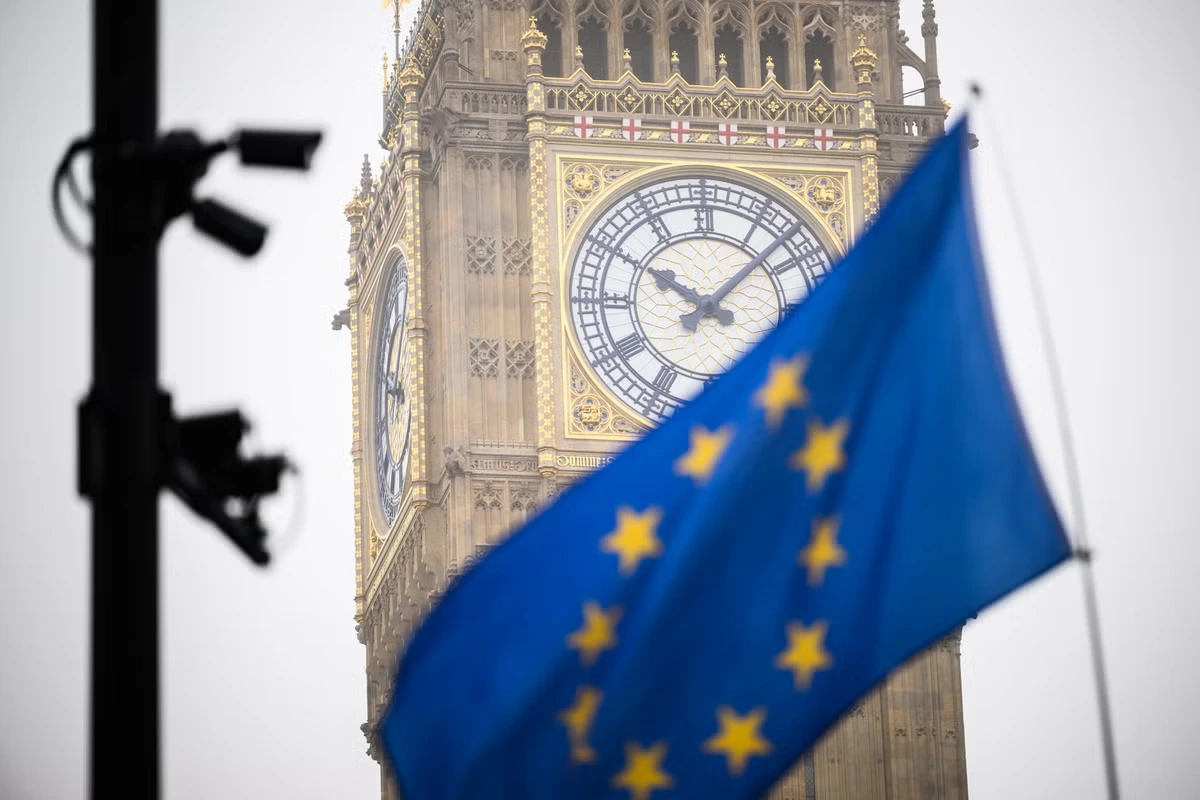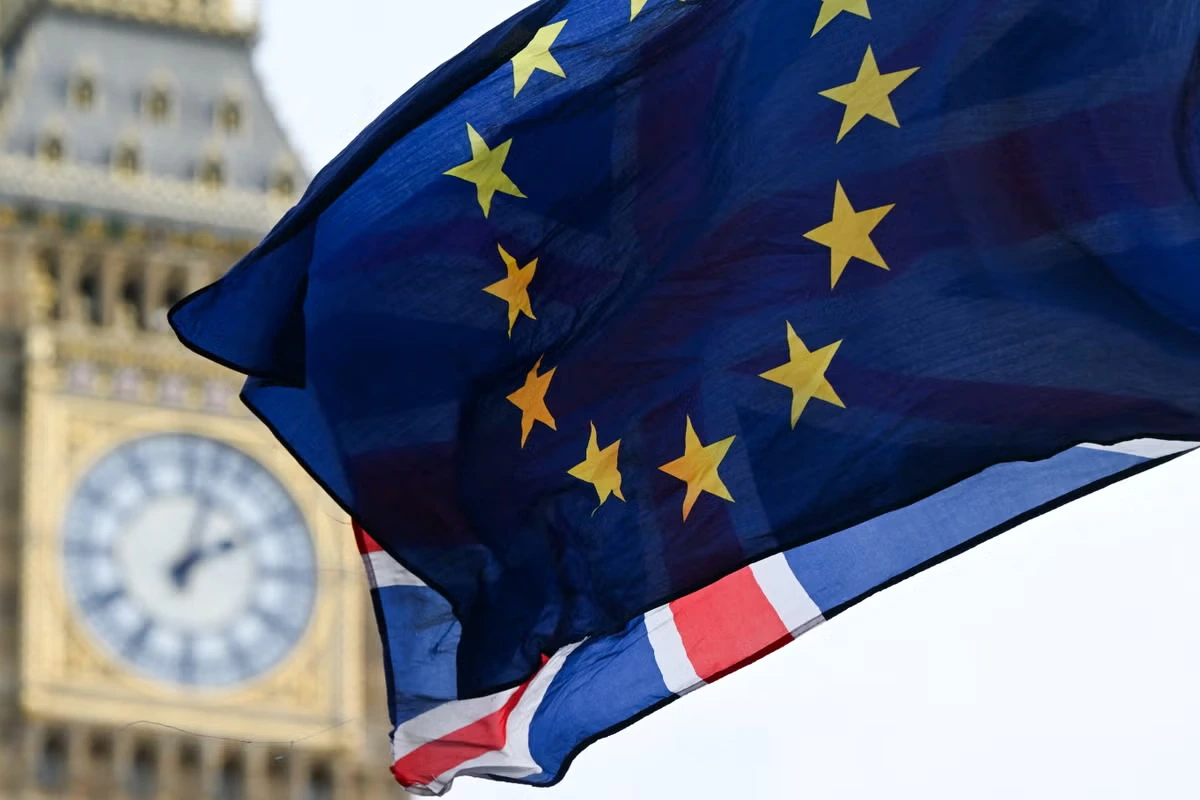
The repercussions of both manmade and natural disasters can last for years, decades, even centuries – and, it must be said, the same goes for Britain’s departure from the European Union.
To adapt the popular quip, Brexit is the gift that keeps on taking. The economic and diplomatic harms inflicted on the country – self-inflicted, in truth – were not one-offs. In many respects, they were a sort of slow and ceaseless process of self-harm, exacerbating themselves year on year as the country loses trade and jobs, and sees its international influence outside the bloc gradually, inexorably diminish.
The harms are no longer so often headline news; ironically, much less so these days than when they were merely a hypothetical prospect a decade ago and, wrongly, dubbed “Project Fear”.
In many ways, they are invisible. We cannot see the factories that were never built because the UK ceased to be an attractive destination for foreign direct investment. Nor the researchers who decided to pursue their work elsewhere.
British leadership in Europe’s counsels, notably promoting free trade and liberalised markets, has long since disappeared – but the absence doesn’t excite the media. The lorries that no longer carry their exports across the English Channel cannot be seen and pointed to as evidence of this colossal failure of policy.
But the impact on trade, exports and jobs is nonetheless continuing, and is real enough. It is apparent most of all to those on the economic frontline, represented by Logistics UK.
It is their members who are valiantly negotiating their way through bureaucratic obstacles and getting as many shipments as they can through the post-Brexit tangle of biometric entry-exit systems, rules of origin, phytosanitary controls and other previously unnecessary barriers to trade. Among very many promises made by Boris Johnson that never quite materialised, it turns out there are indeed some formidable “non-tariff” barriers to trade after all.
The latest news from the export front is as dispiriting as ever for an economy desperate for economic growth. The UK could unlock around £11.7bn in additional economic output, equivalent to around £400 per household, by restoring what is termed “trade intensity” to its 2019 level, according to fresh analysis by Logistics UK. “Trade intensity” is merely jargon for how open an economy is to the outside world. In the long run, the more that a nation’s trade grows – competitively priced exports and imports – the richer the country becomes.
Consumers and businesses benefit from cheaper imports, goods and services; exporters can find new customers – and the EU is still the most prosperous single market for goods, energy and services on the planet. This is what has been lost in trade alone, and Logistics UK has produced a realistic estimate of it.
But that harm to trade is only a portion of the total economic costs. The slump in investment and, thus, productivity, wages and living standards far into the future has also been cumulatively grievous, and continues to grow.
Altogether, most estimates put the wider loss to GDP at a minimum of 4 per cent a year, about £100bn – more like £4,000 per household. Or, looked at another way, a loss of about £40bn in lost tax revenues.
Broadly speaking, that would go a long way to properly fund social care as well as the defence of the realm. We’d have more people in work, and fewer in poverty. Many of the anguished arguments and painful choices of today would be greatly ameliorated if Brexit could be miraculously reversed.
The UK has traditionally been a great trading nation and, after a difficult start, it managed to make a success of its membership of the European Union, especially when the single market project was launched at the behest of Margaret Thatcher in the 1980s. When the UK eventually left in 2021, it left behind a uniquely advantageous position, a package of custom “opt-outs” and favourable provisions. Though some elements might be reclaimed, that deal has probably gone for ever.
In the short run, all that can be realistically hoped for is that the Brexit “reset” successfully begun by Sir Keir Starmer will be pursued with renewed vigour and still greater ambition by Andy Burnham. The Independent is one of many who think that finding a “way back” to Europe is inevitable as well as essential, but not easy to navigate.
The starting point, though, is a collective recognition – without any sense of retribution – that the national decision made in 2016 was a mistake, and the scale of that fact will have to be confronted at the next general election.
Sign up to the Independent’s free Europe: The Way Back newsletter here, or by using this form: