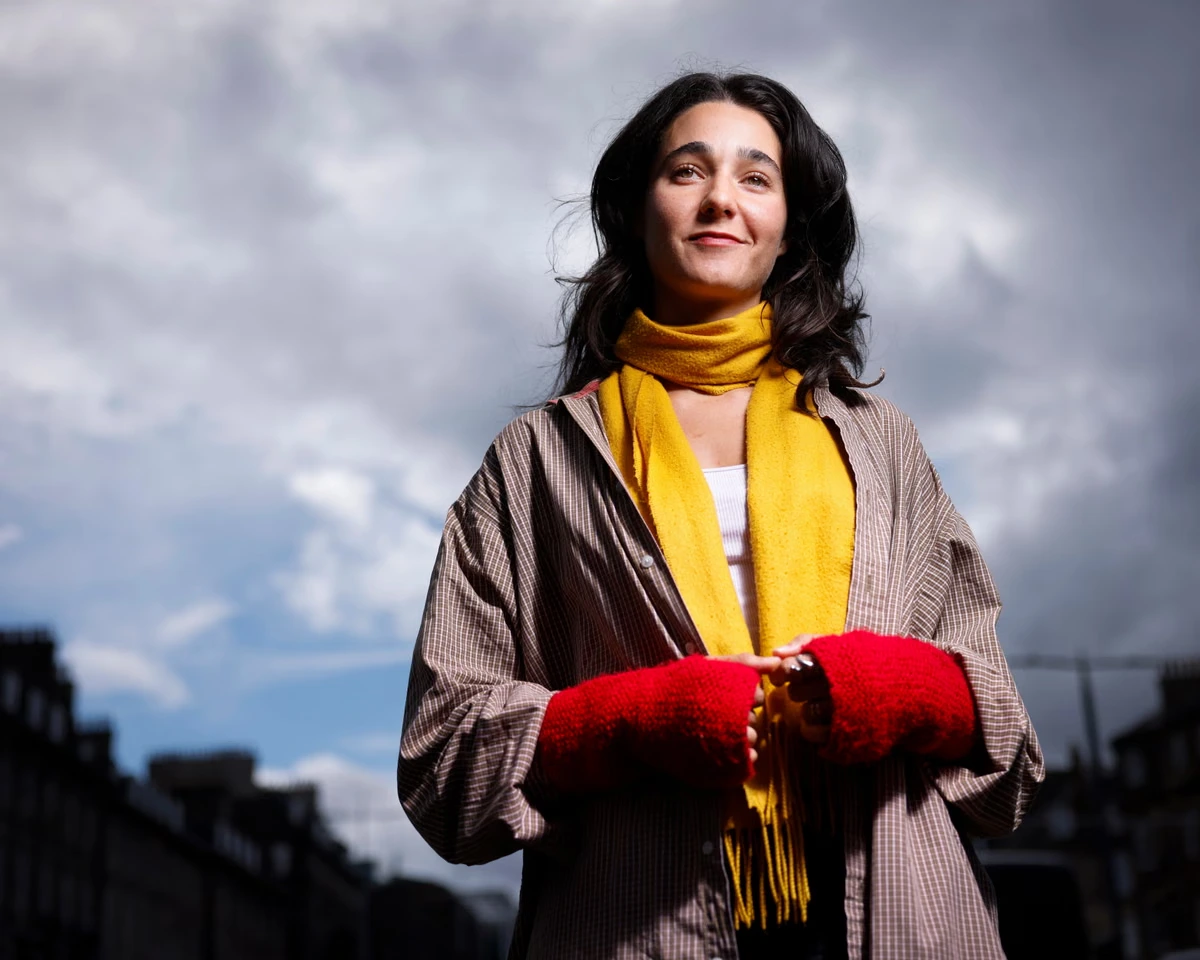
Baroness Gray, former chief of staff to Sir Keir Starmer, has spoken for the first time about how “unbearable” it was to work in No 10. She reveals that she even feared her conversations were being recorded by those around her, to be passed on to the media in order to undermine her. She also expresses her disappointment that the former prime minister failed to do anything about negative briefings against her, which were denied by all concerned.
Now she is out of government and active politics, this may not be the last we hear from her.
One of the most admired public servants of her generation, who rose close to the top of the civil service and whose fall was as unexpected and dramatic as anything seen in Whitehall.
For years she was rated very highly by many, including Michael Gove and Angela Rayner. Eventually she was appointed head of ethics, among other things, and given the task of investigating Partygate. It is a measure of her authority that she was able to get Boris Johnson to endorse her report into the scandal even though it proved instrumental in his downfall. So impressed by her was Starmer that he poached her while in opposition to help him prepare for government, since Labour had been out of power for more than a decade and had few experienced front benchers ready for office. That was her task, and she duly became chief of staff when Labour won the general election in July 2024; yet she was out by October.
We will have to wait for all the evidence to be assembled; Starmer has been silent on this, as are many others. Morgan McSweeney, who was Starmer’s other senior aide and succeeded Gray as chief of staff following a short power struggle, hasn’t gone into any detail about the episode, though he’s admitted he made errors of judgement. However, he hinted last month that Gray simply hadn’t done her job of preparing Labour for government very well: “We didn’t prepare enough for what kind of world we were going to. We are now in a very different era than when Labour was last in government. I think we didn’t have enough conversations at the top of the party about what that meant, how to prepare for it, what that meant for the state. You have to deliver quite quickly for people, for them to see the change quickly. And I think we didn’t come in with enough of a theory about how we would do that.”
She says unnamed individuals briefed against her to the media in an apparently obsessive and paranoid fashion, about trivialities and misunderstandings – to the extent that she felt she was being spied on. She says the atmosphere in No 10 was “definitely unbearable, particularly for me, adding: “I would say that none of that briefing came from me. I think it was very difficult, and it was just affecting me and my life … It was a very, very, very difficult period.”
Two cabinet secretaries were effectively sacked by Starmer: Simon Case, who he’d inherited from Johnson and Sunak, and then Starmer’s own pick, Chris Wormald. Starmer also got through numerous communications directors, which points to some serious dysfunction over a longer period.
We don’t know yet, but it could be that Starmer, McSweeney, and Gray weren’t as good in government as they had been in opposition in the run-up to the election. They appear to have lacked any sense of loyalty to one another, or the party, or had a sense of perspective. Their memoirs should be interesting.
Yvette Cooper, who was appointed home secretary and then foreign secretary by Starmer, has also criticised his performance. She says Labour has “not done government very well” in its first couple of years, and criticised Starmer for sidelining her at the launch of an immigration initiative. Cooper is more at ease now, despite her demotion to health secretary under Andy Burnham, saying: “The thing you see with Andy is ‘hang on, bring me the problems. I want to talk to you about the problems. I want to engage. I want to hear about the problems, and I want us to work together in solving them.’”
Aside from that, throughout Starmer’s brief premiership there were occasional eruptions of disquiet from anonymous staff in Number 10, in line with Cooper’s description – mostly to the effect that Starmer delegated too much and paid the price for it. He let the economy be run by Rachel Reeves, including botched decisions on welfare; and left the politics to Morgan McSweeney, critically during the fateful decision to appoint Peter Mandelson as ambassador to Washington.
There is criticism that Starmer, like Edward Heath, Theresa May and Rishi Sunak before him, was more of a civil servant manque, and less a truly instinctive political animal as, say, Harold Wilson, Margaret Thatcher or Tony Blair (and maybe Andy Burnham).
If it was, it isn’t now – with Antonia Romeo as permanent secretary (Starmer’s final appointment), Caroline Simpson as deputy chief of staff (to James Purnell) and Louise Haigh as de facto deputy prime minister. How they manage to get along may help solve the mystery of the rapid unscheduled disassembly of the Starmer administration. Things, as they used to say, can only get better. Can’t they?